


Stress is caused by any demand that feels bigger than the resources you have to meet it. Common causes include money worries, work pressure, relationship conflict, health problems, caregiving, big life changes and, for people in recovery, cravings and rebuilding a life. What causes stress for one person may barely register for another, so spotting your own sources is the first step in managing them.
This chapter is part of our guide to stress management skills. When stress turns into ongoing anxiety or depression, our online mental health treatment can help, by live video for adults across California.
Key Takeaways
- Stress comes from outside demands, like a deadline, and from how we read those demands.
- In 2026, the most common sources of significant stress for U.S. adults were the cost of living, the economy and money.
- Loneliness and lack of support are major stressors, with many adults saying they needed more emotional support.
- Even good changes, like a new job or getting sober, can be stressful.
- Tracking your stress for a week or two is the best way to find your own patterns.
What Causes Stress
The National Institute of Mental Health describes stress as the physical or mental response to an external cause, like a heavy workload or an illness.1 It notes that a stressor can be a one-time event or something that keeps happening over a long time. The cause is outside you, but the response happens inside your body and mind.
That's why the same situation can stress two people differently. A tight deadline may energize one person and overwhelm another. Your past experiences, your health, how much sleep you got and how much support you have all shape how big a stressor feels.
Stress also adds up. One stressor on its own may be manageable, but three at once, like a sick parent, a money crunch and a hard week at work, can push anyone past their limit. Looking at your total load, not just the biggest item, gives a truer picture.
The Most Common Causes of Stress Right Now
National surveys show what's weighing on people most. The American Psychological Association's 2026 Stress in America survey asked more than 3,100 U.S. adults about significant sources of stress.2 The table below shows the top answers.
| Source of Stress | Share of Adults Naming It as Significant |
|---|---|
| Cost of living | 77% |
| The economy | 74% |
| The future of the nation | 74% |
| Money | 71% |
| Health care | 60% |
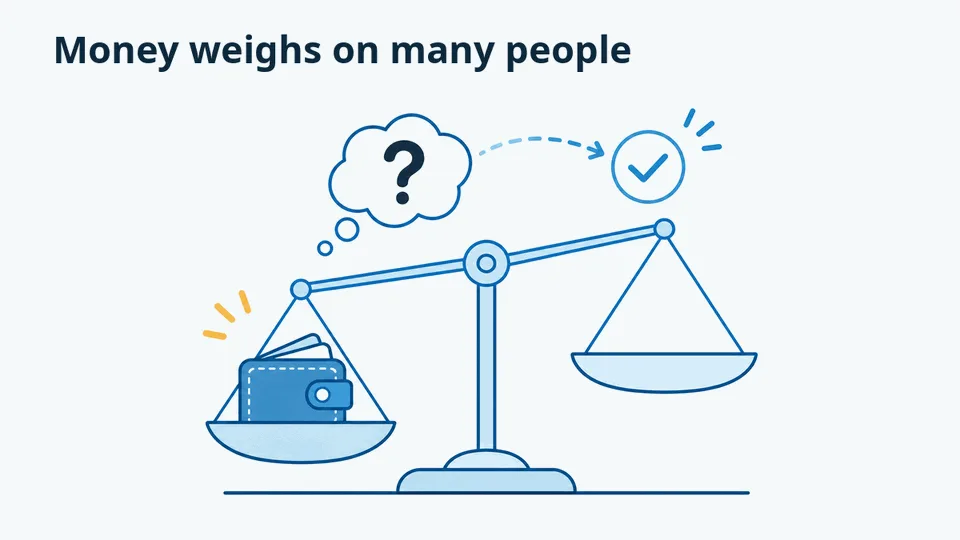
The report notes that money stress has climbed in recent years, from 63% in 2023 to 71% in 2026. It also found that 28% of adults feel they have little or no control over their future, up from 23% the year before. That sense of losing control is a stressor in its own right.
Common Causes of Stress in Daily Life
Beyond national worries, most stress comes from the everyday parts of life. These are some of the most common causes of stress people bring to therapy:
- Work. Heavy workloads, deadlines, conflict with coworkers, long hours and job insecurity.
- Money. Bills, debt, rent, unexpected expenses and not knowing how to make ends meet.
- Relationships. Arguments with a partner, family tension, breakups and divorce.
- Caregiving. Raising children, caring for an aging parent or supporting a loved one who is sick.
- Health. A new diagnosis, chronic pain or ongoing illness for you or someone close.
- Life changes. Moving, starting a new job, losing a loved one or becoming a parent.
- Loneliness. Feeling isolated, left out or without people to lean on.
- The news and the world. Constant updates about politics, violence and uncertainty.
Some of these you can change and some you can't. Sorting them into those two groups is a useful next step, because it tells you where to put your energy.
Loneliness as a Source of Stress
Loneliness gets less attention than money or work, but it's a powerful stressor. APA's 2025 Stress in America survey found that 54% of adults felt isolated at least some of the time, and half felt left out or lacking companionship.3 Sixty-nine percent said they needed more emotional support in the past year than they received.
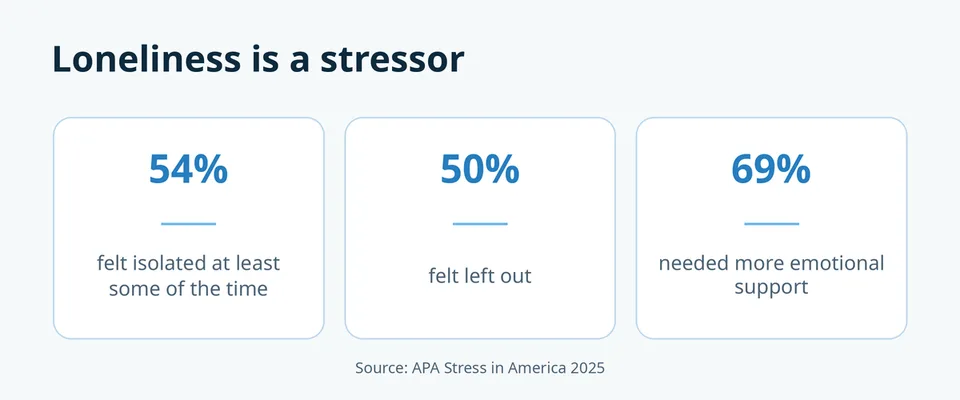
Stress and loneliness feed each other. The 2026 survey found that 47% of adults pulled back from at least one form of social participation because of stress.2 Pulling away makes sense in the moment, but it can reduce access to social support, which can help people cope with stress. Reconnecting, even in small ways, is often one of the most effective things you can do.
Good Changes Can Be Stressful Too
Not all stress comes from bad news. The NIMH lists major life changes among common examples of stress.1 A promotion, a wedding, a new baby or a move to a better home are all positive events that still demand a lot. They disrupt routines, add new responsibilities and require you to adapt.
Recognizing this helps you plan for it. If you know a big change is coming, protect your sleep, keep some routines steady and build in extra support. That way the good change doesn't turn into a reason to fall back on old habits. Our chapter on how to reduce stress covers the daily habits that make transitions easier.
Sources of Stress in Recovery
People in recovery from addiction face a set of stressors on top of everyday life. Early on, cravings and withdrawal symptoms can be stressful in themselves. Later, the work of repairing relationships, finances and health brings its own pressure.
Common sources of stress in recovery include rebuilding trust with family, facing legal or money problems left over from active addiction, finding new friends who don't drink or use and learning to handle feelings without a substance. Holidays, anniversaries and social events can add more. Naming these sources ahead of time and including them in a relapse prevention plan makes them much easier to manage.
Internal Sources of Stress
Some stress comes from inside rather than from the situation. Perfectionism, people-pleasing, harsh self-criticism and worrying about things that haven't happened can all turn ordinary demands into heavy stress. The NIMH recommends noticing and challenging negative and unhelpful thoughts as one way to cope.4
These patterns often start early in life, sometimes as ways of coping with difficult situations. They can change with practice and support. Working with a therapist through online therapy in California is one of the most effective ways to spot and shift them.
How to Identify Your Own Sources of Stress
The best way to understand what causes stress for you is to track it. The NIMH suggests keeping a journal to identify what's stressing you.4 A week or two of simple notes often reveals patterns you didn't expect. Try these steps:
- Each evening, write down the moments you felt most stressed that day.
- Note what was happening, who was there and what you were thinking.
- Rate each moment's stress from 1 to 10.
- Write down how you responded and how it worked.
- After a week or two, look for patterns in times, people, places and thoughts.
- Mark which stressors you can change and which you need to cope with.
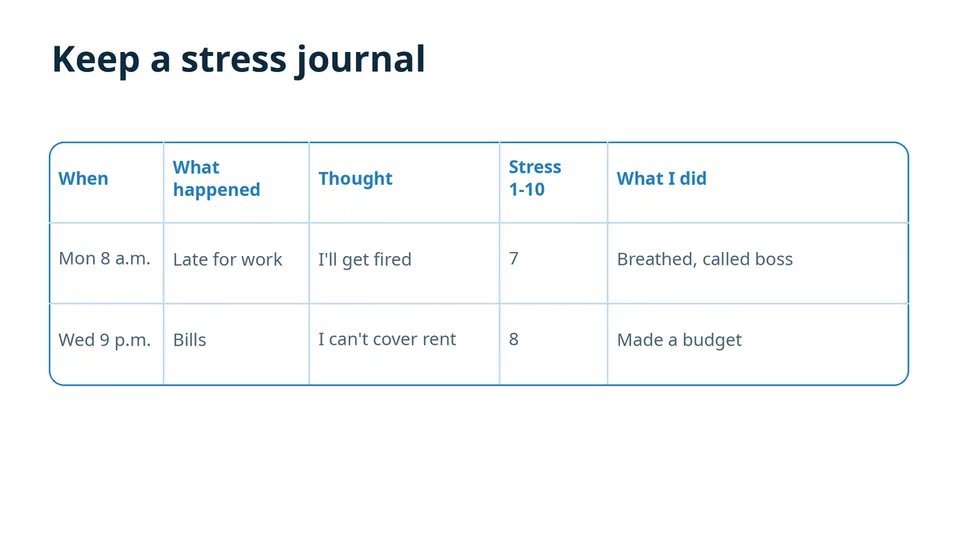
Once you see the patterns, you can plan. For stressors you can change, a step-by-step approach helps, and our post on problem solving techniques walks through one. When a stressor can't be changed, coping skills and support matter most, and our chapter on healthy ways to cope with stress offers a set to start with.
When the Cause Isn't Clear
Sometimes you feel stressed and on edge without any clear reason. The NIMH notes that anxiety, unlike stress, can be constant even when there's no immediate threat.4 If you often feel tense or worried and can't point to a cause, or the feeling never seems to lift, it may be anxiety rather than stress.
Ongoing stress also takes a toll on the body, from headaches to sleep problems to high blood pressure. Our chapter on how stress affects the body explains those effects and when they need a doctor's attention.
Getting Help With Stress at Promising Outlook
At Promising Outlook, we help adults across California sort out what's driving their stress and build skills to manage it. Group therapy, individual therapy, family therapy and medication management are available by live video, and the same team treats substance use when it's part of the picture.
Groups meet Monday through Friday at 9:00 a.m., 12:00 p.m. and 5:00 p.m., with evening options for people who work. Treatment length varies. Clients leave with an aftercare plan and a relapse prevention plan.
Call us and a real person will answer, day or night. Same-day starts are often possible. You can also verify your insurance online. We're in network with Aetna, Blue Shield, Cigna, Health Net, Tricare and United.
Frequently Asked Questions
What causes stress?
Stress is caused by demands that feel bigger than the resources you have to meet them. Common causes include money, work, relationships, caregiving, health problems, loneliness and big life changes. How stressful something feels also depends on your sleep, health, past experiences and support.
What are the most common causes of stress?
In APA's 2026 Stress in America survey, the most common sources of significant stress for U.S. adults were the cost of living at 77%, the economy and the future of the nation at 74% each, money at 71% and health care at 60%. Work, relationships and loneliness are also common.
Can positive events cause stress?
Yes. Major life changes, even good ones like a new job, a wedding, a move or a new baby, can be stressful. They disrupt routines and add new demands. Planning ahead, protecting sleep and leaning on support can help good changes go more smoothly.
How do I figure out what's stressing me?
Keep a simple stress journal for a week or two. Each day, note your most stressful moments, what was happening, who was there, what you were thinking and how stressed you felt. Patterns usually appear quickly, showing which stressors you can change and which you need to cope with.
What are common sources of stress in recovery?
Common sources include cravings, repairing relationships, money or legal problems left from active addiction, finding sober friends, handling emotions without substances, and holidays or social events. Naming these ahead of time in a relapse prevention plan makes them easier to manage.
Is it stress or anxiety?
Stress is usually tied to a clear cause and fades once the situation is resolved. Anxiety can feel constant even when there's no clear threat. If you often feel worried or tense without knowing why, or the feeling never lifts, it may be anxiety, which is very treatable.
Sources
- National Institute of Mental Health. Stress.
- American Psychological Association. Stress in America 2026: The Stress of Uncertainty. 2026.
- American Psychological Association. APA Poll Reveals a Nation Suffering From Stress of Societal Division, Loneliness. 2025.
- National Institute of Mental Health. I'm So Stressed Out! Fact Sheet.
