To get sober, decide you want to stop, find out whether you need medical help for withdrawal, and then get into treatment that teaches you how to stay stopped. If you drink heavily every day or take benzodiazepines, don't quit suddenly on your own, because withdrawal can be dangerous. For many people, sobriety sticks when it's built with support, not willpower alone.
You don't have to figure this out by yourself. If you're ready, virtual addiction treatment at Promising Outlook lets adults across California start recovery from home, often the same day they call.
Key Takeaways
- Stopping alcohol or benzodiazepines suddenly after heavy use can cause seizures and should be medically supervised.
- Detox handles withdrawal, but NIDA says it's only the first stage of treatment.
- Most people need at least three months of treatment to significantly reduce or stop their use.
- Medications can help with alcohol and opioid use disorders.
- The first weeks of sobriety are about safety, structure and support.
How to Get Sober Starts With a Decision
Getting sober starts with a decision, but it doesn't have to be a perfect one. Many people feel torn, wanting to stop and also wanting to keep drinking or using. That mixed feeling is normal. You don't need to be completely sure to take the next step.
It can help to write down what substances have cost you and what you want your life to look like instead. Think about your health, relationships, money, work and peace of mind. Those reasons will matter on hard days, so keep the list where you can see it.
Check Whether You Need Detox First
This step is about safety. Some withdrawal is uncomfortable but not dangerous, and some can be life threatening. MedlinePlus, from the National Library of Medicine, explains that delirium tremens, a severe form of alcohol withdrawal, can cause confusion, hallucinations and seizures, and that death is possible, especially if it occurs.1 The FDA warns that stopping benzodiazepines suddenly or lowering the dose too fast can cause withdrawal reactions, including seizures, which can be life threatening.2
Get medical help before you stop if any of these apply to you:
- You drink heavily every day or most days.
- You take benzodiazepines like Xanax, Klonopin or Valium regularly.
- You've had shaking, sweating, hallucinations or seizures when you stopped before.
- You use more than one substance.
- You have heart, liver or other serious health problems.
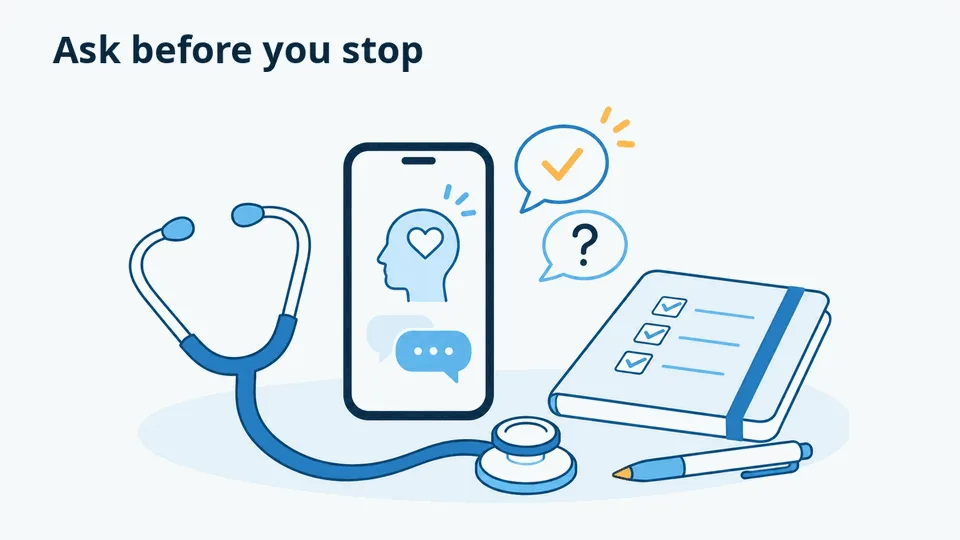
Opioid withdrawal is different. MedlinePlus describes it as very uncomfortable but not life threatening on its own.3 It also warns that overdose risk rises after a break from opioids because tolerance drops. Medication like buprenorphine can ease withdrawal and lower that risk. Our chapter on detox vs rehab explains who needs detox and why.
Choose the Right Treatment
Detox clears the substance from your body, but it doesn't teach you how to stay sober. The National Institute on Drug Abuse says medically assisted detox is only the first stage of addiction treatment and by itself does little to change long-term drug use.4 Treatment is where the real work happens.
There are several levels of care, and the right one depends on your safety, health and home life. The table below compares the main options.
| Level of Care | What It Involves | Often Fits When |
|---|---|---|
| Residential | Living at a facility with 24-hour support | Home isn't safe or symptoms are severe |
| Partial hospitalization | Several hours of treatment most weekdays | You need daily structure but can sleep at home |
| Intensive outpatient | Group therapy several days a week plus individual care | You're stable at home and need more than weekly therapy |
| Outpatient | Weekly therapy or groups | Symptoms are milder or you're stepping down |
NIDA reports that most people need at least three months in treatment to significantly reduce or stop their use, and that better outcomes come with longer treatment. Our chapter on how to get into rehab walks through admission step by step.
Medication Can Help You Get Clean
Medication is one of the most effective tools for some addictions, and it's often underused. The NIAAA notes that three medications are approved to treat alcohol use disorder: naltrexone, acamprosate and disulfiram.5 For opioid use disorder, medicines like buprenorphine and naltrexone help reduce cravings and the risk of return to use.3
Taking medication doesn't mean you're not really sober. It's a medical treatment, like medication for any other chronic condition. Our virtual medication management includes Suboxone and Vivitrol when they fit your plan.
How to Overcome Addiction in the First Weeks
The first weeks of sobriety are often the hardest. Cravings can be strong, sleep may be off and old routines are everywhere. Focus on a few simple things each day rather than trying to fix your whole life at once. These habits help many people:
- Go to every treatment group and appointment, even on hard days.
- Remove alcohol, drugs and paraphernalia from your home.
- Stay away from people and places tied to your use for now.
- Keep a steady routine for sleep, meals and movement.
- Talk to someone in recovery every day.
- Write down cravings and what helped you get through them.
Expect ups and downs. Mood swings, low energy and poor sleep are common early on and usually improve with time. Telling your treatment team how you're doing helps them adjust your plan.
How to Beat Addiction for the Long Run
Getting sober is the start. Staying sober means building a life where using makes less sense. That includes healthy relationships, ways to handle stress, a sense of purpose and ongoing support after formal treatment ends.
Relapse can happen, and it doesn't mean you've failed. The NIAAA notes that setbacks are common and that people who relapse can still recover.5 Our chapter on how to stay sober covers the stages of recovery and the daily habits that protect sobriety over time.
Getting Sober With Promising Outlook
Promising Outlook offers partial hospitalization, intensive outpatient and outpatient care by live video for adults across California. We don't provide detox, but if you need it, we'll help you find a program and plan your start with us for when you finish. Groups meet Monday through Friday at 9:00 a.m., 12:00 p.m. and 5:00 p.m.
Care includes group therapy, individual therapy, family therapy and medication management. Treatment length varies. Clients leave with an aftercare plan and a relapse prevention plan. Our same-day admission process means that if you're medically stable, you can often start today.
Call us and a real person will answer, day or night. You can also verify your insurance online. We're in network with Aetna, Blue Shield, Cigna, Health Net, Tricare and United.
Frequently Asked Questions
How do I get sober?
Decide you want to stop, check whether you need medical help for withdrawal and get into treatment that teaches you how to stay sober. Build daily structure, stay connected to people in recovery and consider medication if it fits. Many people do best with professional support rather than willpower alone.
Is it safe to quit drinking cold turkey?
Not always. If you drink heavily every day or have had withdrawal symptoms before, stopping suddenly can cause seizures and delirium tremens, which can be life threatening. Talk to a doctor or treatment program first so withdrawal can be managed safely.
How long does it take to get clean?
Withdrawal usually takes days, but recovery takes longer. NIDA reports that most people need at least three months in treatment to significantly reduce or stop their drug use, and longer treatment tends to lead to better results.
Can I get sober without rehab?
Some people do, especially with milder use and strong support. But treatment greatly improves the odds for many people, and medical help is essential if withdrawal could be dangerous. Outpatient programs let you get structured help while you keep living at home.
What helps with cravings in early sobriety?
Delaying, changing your setting, calling someone, moving your body and riding the craving out until it passes all help. Medications like naltrexone or buprenorphine can reduce cravings for alcohol or opioids. Treatment groups teach and practice these skills.
What if I relapse?
Relapse is common and doesn't erase your progress. Stop as soon as you can, tell someone you trust and reach out to your treatment team. After a break from opioids, lower tolerance increases overdose risk. If someone is hard to wake or breathing slowly or irregularly, call 911 immediately and give naloxone if available.
Sources
- MedlinePlus, National Library of Medicine. Alcohol withdrawal.
- U.S. Food and Drug Administration. FDA Requiring Boxed Warning Updated to Improve Safe Use of Benzodiazepine Drug Class. 2020.
- MedlinePlus, National Library of Medicine. Opiate and opioid withdrawal.
- National Institute on Drug Abuse. Principles of Drug Addiction Treatment: A Research-Based Guide (Third Edition). 2018.
- National Institute on Alcohol Abuse and Alcoholism. Treatment for Alcohol Problems: Finding and Getting Help.