


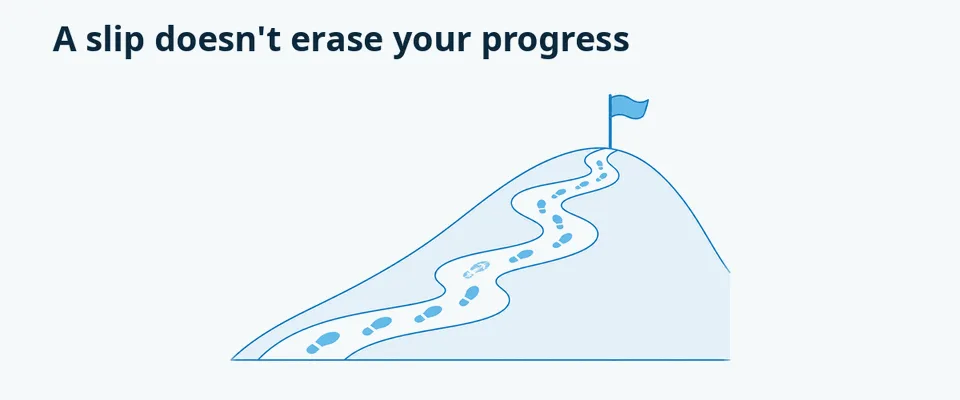
If you relapsed, here's what to do after a relapse: stop using as soon as you can, get safe, tell someone you trust and reach out to your treatment team or a program today. You haven't lost everything you built. A relapse is a signal that your plan needs to change, and people come back from it all the time.
This chapter is part of our guide to relapse prevention. If you need more support right now, our virtual IOP for substance use can often get you into a group the same day, by live video anywhere in California.
Key Takeaways
- Relapse is common, and NIDA compares its rate to other chronic illnesses like high blood pressure and asthma.
- Your first job is safety, especially after a break from opioids, when overdose risk is high.
- Telling someone quickly is one of the most protective things you can do.
- Shame makes relapse worse, while curiosity about what happened helps you learn from it.
- A relapse is a reason to resume or adjust treatment, not a reason to give up.
What Is a Relapse
A relapse is a return to drinking or drug use after a period of recovery. One model describes warning signs that can build before a return to use, including slipping self-care and growing cravings. StatPearls, a peer-reviewed medical reference, describes physical relapse as the point when someone resumes use, after earlier emotional and mental stages.1
Relapse is not a moral failure. NIDA reports that relapse rates for drug addiction are 40% to 60%, similar to the rates for other chronic illnesses like high blood pressure and asthma.2 When someone with high blood pressure has a spike, nobody tells them they've failed. They adjust the treatment. The same logic applies here.
Lapse vs Relapse
Some clinicians draw a line between a lapse, a single episode of use, and a relapse, a return to the old pattern. The difference can matter for how you see yourself: one drink after six months sober isn't the same as six weeks of daily use. StatPearls describes this distinction in its review of relapse prevention.1
StatPearls also cautions that the distinction can backfire for some people by making a lapse seem minor, and that a first use can increase the urge to keep going. The best approach is to treat any use as serious enough to act on today, while not treating it as the end of your recovery. The table below shows how the two usually compare.
| Question | Lapse | Relapse |
|---|---|---|
| What it is | A single use or short slip | A return to an ongoing pattern of use |
| How long it lasts | Hours or a day | Days, weeks or longer |
| Risk if ignored | Can quickly become a relapse | Can deepen and bring back old consequences |
| What to do | Stop, tell someone, review your plan | Stop, get safe, tell someone, reconnect with treatment |
Safety Comes First After You Relapse
Before anything else, make sure you're safe. That matters most with opioids, alcohol and benzodiazepines. MedlinePlus warns that overdose risk rises when opioid tolerance drops after detox. A dose someone previously used can become deadly.3 The same risk applies after any break from opioids.
If you've used opioids after a period off them, don't use alone, and make sure someone near you has naloxone. The CDC notes that naloxone is now available over the counter without a prescription, and because you can't give it to yourself, you should let others know you have it.4 If someone is unresponsive or barely breathing, call 911 immediately and give naloxone if available. Stay with them until help arrives.
Alcohol and benzodiazepines carry a different risk. If you've been drinking heavily or taking benzodiazepines daily again, stopping suddenly can cause dangerous withdrawal. Talk to a doctor or a treatment program before you stop, so withdrawal can be managed safely.
What to Do After a Relapse in the First Hours
The first few hours after a relapse set the tone for what comes next. Acting quickly keeps a slip from becoming a long slide. These steps help many people right away:
- Stop using as soon as you can, and get rid of what's left.
- Get to a safe place, away from people and places tied to use.
- Tell one person you trust what happened, today.
- Call your therapist, sponsor or treatment program.
- Eat something, drink water and try to sleep.
- Remind yourself that a setback doesn't end your recovery.
Telling someone is often the hardest step and the most important. Secrecy feeds shame, and shame feeds more use. Saying it out loud breaks that cycle and brings help in.
The First Few Days After a Relapse
Once you're safe, the next few days are about getting your structure back. Go back to your groups or meetings, even if you feel embarrassed. People in recovery understand relapse better than anyone, and walking back in shows strength.
This is also the time to look honestly at what led up to the relapse. Curiosity helps more than blame. Ask yourself questions like these:
- What was going on in my life in the weeks before I used?
- Which early warning signs did I notice, and which did I miss?
- Was I hungry, angry, lonely or tired?
- Did I stop doing things that were keeping me steady?
- What thought or situation came right before the first use?
- What would I do differently next time?
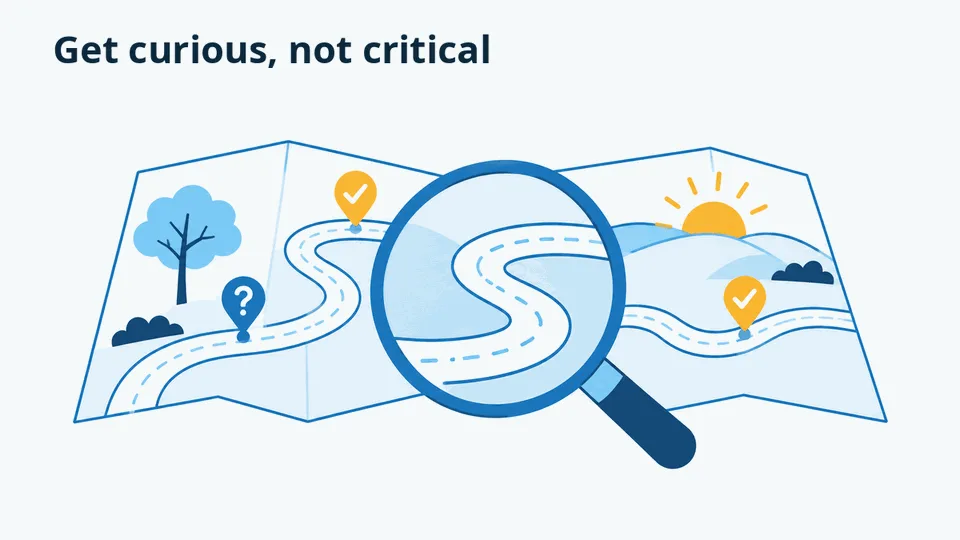
Write down what you find and bring it to your therapist or group. Those answers become the most valuable part of your updated plan.
Dealing With Guilt and Shame
Almost everyone feels guilt and shame after a relapse. Guilt says you did something you regret, and that can motivate change. Shame says you are something bad, and that usually drives people back to the very thing that hurt them.
Try to talk to yourself the way you'd talk to a friend who slipped. Acknowledge what happened, take responsibility for repairing any harm and then turn your attention to what's next. Our post on how to deal with guilt in recovery goes deeper on this.
Cognitive behavioral therapy can help too. It teaches you to catch thoughts like "I've ruined everything, so I might as well keep using" and replace them with more accurate ones. Our chapter on what cognitive behavioral therapy is explains how it works.
When to Go Back to Treatment
NIDA explains that relapse doesn't mean treatment failed, and that it's a sign to resume, modify or try a different treatment.2 For many people, that means stepping up their level of care for a while. You should think about returning to more structured treatment if any of these are true:
- You've used more than once, or can't seem to stop.
- You're having withdrawal symptoms or cravings you can't manage.
- You've used opioids again after a period off them.
- Depression, anxiety or trauma symptoms are getting worse.
- You're isolating or have stopped going to groups.
- Your home or relationships feel unsafe or unstable.
Going back isn't starting over. You bring everything you've learned with you, plus new information about what you need. Our chapter on how to stay sober covers the longer road once you're steady again.
Updating Your Relapse Prevention Plan
A relapse shows you exactly where your plan had gaps. Use what you learned to update it. Add the triggers and warning signs you missed, pick new coping skills for the moments that went wrong, such as urge surfing, and name more people you can call.
Look at your support system too. If you were mostly trying to handle things alone, it's time to widen your circle. Our chapter on building a support system can help. Medication may also be worth a second look, since naltrexone, acamprosate and buprenorphine can lower the risk of return to use.1
How to Help Someone Who Relapsed
If someone you love has relapsed, your reaction matters. Anger and blame are natural, but they often push people further into hiding. A calm response makes it more likely they'll be honest and reach for help.
Let them know you care and that you want them safe. Ask what support they need, and help them reconnect with their treatment team. If opioids are involved, keep naloxone at home and learn how to use it. Take care of yourself too, because supporting someone through relapse is hard.
Getting Back on Track at Promising Outlook
If you've relapsed, Promising Outlook can help you get back on track quickly. Our virtual addiction treatment serves adults across California by live video, with group therapy, individual therapy, family therapy and medication management, including Suboxone and Vivitrol. We don't provide detox, but we'll help you find it if you need it first.
Groups meet Monday through Friday at 9:00 a.m., 12:00 p.m. and 5:00 p.m. Our same-day admission means that if you're medically stable, you can often be in a group today. Every client leaves with an updated aftercare plan and relapse prevention plan.
Call us and a real person will answer, day or night. No judgment, just next steps. You can also verify your insurance online. We're in network with Aetna, Blue Shield, Cigna, Health Net, Tricare and United.
Frequently Asked Questions
What should I do right after a relapse?
Stop using as soon as you can and get somewhere safe. Tell one person you trust what happened, and call your therapist, sponsor or treatment program. If you used opioids after a break, don't use alone and make sure someone nearby has naloxone. Then eat, hydrate, rest and get back to your routine.
What is a relapse?
A relapse is a return to drinking or drug use after a period of recovery. It's usually the final stage of a process that begins earlier with slipping self-care and growing cravings. Relapse is common, with rates similar to other chronic illnesses, and it's a sign to adjust treatment.
I relapsed. Do I have to start over?
No. You keep everything you learned, including the skills, the insight and the relationships you built. A relapse gives you new information about what your plan was missing. Many people go on to long-term recovery after one or more relapses, especially when they act quickly.
Is relapse part of recovery?
Relapse is common, but it isn't required. NIDA reports relapse rates of 40% to 60% for drug addiction, similar to other chronic illnesses. Many people never relapse, and those who do can still recover. What matters most is how quickly you respond and what you learn from it.
Why is overdose risk higher after a relapse?
When you stop using opioids, your tolerance drops quickly. If you go back to the amount you used before, your body may not be able to handle it. This loss of tolerance raises overdose risk after detox or another break from opioids.
Should I go back to rehab after a relapse?
It depends on how much you've used and how you're doing. If you can't stop, have withdrawal or strong cravings, used opioids again or feel your mental health slipping, more structured care is a good idea. An outpatient program can often start you the same day.
Sources
- Guenzel N, McChargue D. Addiction Relapse Prevention. StatPearls, 2023.
- National Institute on Drug Abuse. Drugs, Brains, and Behavior: The Science of Addiction, Treatment and Recovery. 2020.
- MedlinePlus, National Library of Medicine. Opiate and opioid withdrawal.
- Centers for Disease Control and Prevention. Reverse Opioid Overdose to Prevent Death.
