Learning how to find yourself in recovery means figuring out who you are without alcohol or drugs: what you value, what you enjoy, who you want around you and what gives your days meaning. It doesn't happen all at once. Many people get there by trying new things, rebuilding relationships, setting small goals and paying attention to what feels right, one step at a time.
Treatment can help with this, not just with staying sober. In our outpatient program, clients work on building a life that feels like their own while getting support, by live video for adults across California.
Key Takeaways
- Addiction often crowds out hobbies, relationships and values, so many people feel lost once they stop using.
- Recovery is about more than not drinking or using. It includes health, a stable home, purpose and community.
- In one small study, participants described moving from relying on others toward making more of their own choices in recovery.
- Finding yourself again takes curiosity, small experiments and patience.
- Therapy can help you sort out your values and work through what's holding you back.
Why People Feel Lost After Addiction
Addiction tends to take over. Over time, a lot of daily life can revolve around getting, using and recovering from alcohol or drugs. Friendships may center on using. Hobbies fade. Values you once held get pushed aside. When you stop, there's a big empty space where all of that used to be.
It's common to feel unsure who you are in that space. Some people realize they started using so young that they never really figured out who they were as adults. Others remember who they used to be but don't feel like that person anymore. Either way, feeling lost early in recovery is normal. It's a sign that you have room to build something new, not a sign that something's wrong with you.
What Recovery Really Includes
SAMHSA, the federal agency for substance use and mental health, defines recovery as a process of change through which people improve their health and wellness, live a self-directed life and strive to reach their full potential.1 It describes four dimensions that support a life in recovery.
| Dimension | What It Means | Questions to Ask Yourself |
|---|---|---|
| Health | Managing symptoms and making choices that support physical and emotional well-being | How am I sleeping, eating and taking care of my mental health? |
| Home | A stable and safe place to live | Does my living situation support my recovery? |
| Purpose | Meaningful daily activities like work, school, volunteering, caregiving or creative work | What do I want to spend my time doing? |
| Community | Relationships and social networks that provide support, friendship, love and hope | Who do I want in my life, and who supports my sobriety? |
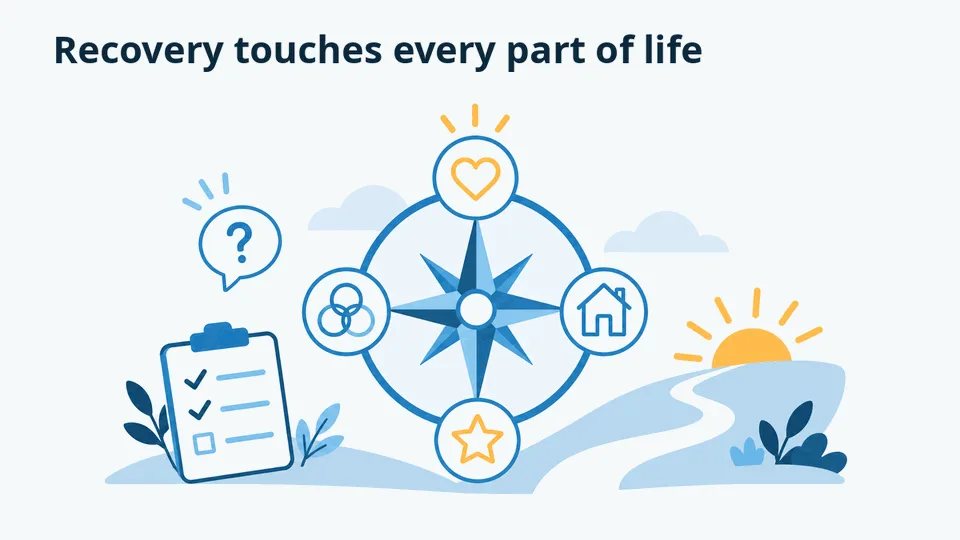
Finding yourself again touches all four. It's less about a single moment of discovery and more about slowly building a life in each of these areas.
How Identity Changes Over Time in Recovery
Researchers have started to look at how people's sense of self changes as recovery goes on. A small study published in the Journal of Health Psychology followed six adults in the UK for up to four years after treatment, using their own videos, audio recordings and diaries.2 Most of them moved through a similar pattern:
- Staying safe: Early on, people leaned heavily on recovery groups for support, structure and belonging.
- Exploring: Over time, they started trying new things, taking small risks and learning about themselves.
- Self-direction: Later, they showed more confidence and self-worth and made more of their own decisions.
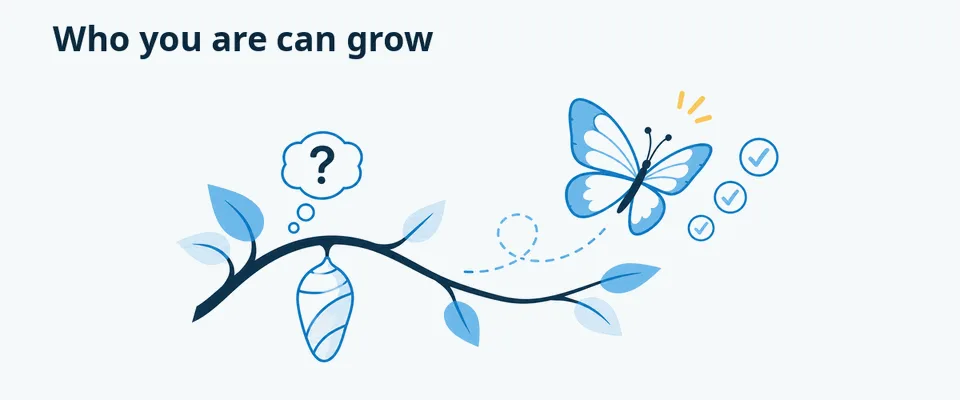
The study was small, so it can't prove this is how recovery works for everyone. Still, it matches what many people describe. Leaning on others at first is healthy, and it often gives you the footing to explore who you are.
How to Find Yourself Step by Step
There's no single path, but these steps help many people start finding themselves after addiction.
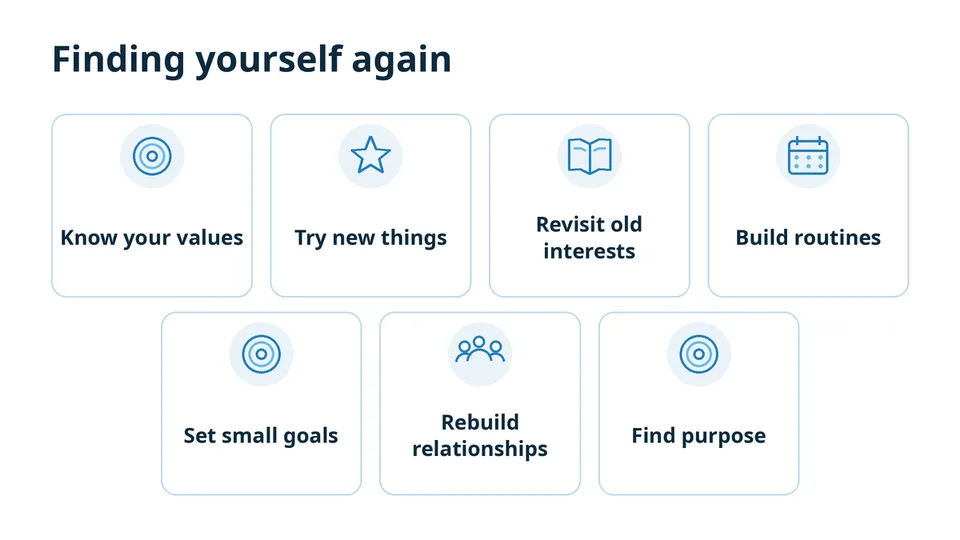
1. Get Curious About Your Values
Values are what matter most to you, like honesty, family, creativity, faith, health or helping others. Write down a few that feel important. Then ask whether your daily life reflects them. Gaps between your values and your actions are good places to start making changes.
2. Try New Things
You may not know what you enjoy sober yet. Treat the first year or so as a time to experiment. Learn a new skill, join a team, try cooking, volunteer, pick up an old instrument or go somewhere new. Some things won't stick, and that's fine. You're gathering information about yourself.
3. Revisit Who You Were Before
Think back to what you loved before addiction took over. Maybe you used to draw, hike, read or play sports. Old interests can be a comfortable place to reconnect with yourself, even if they look a little different now.
4. Build Healthy Routines
Structure helps when everything feels new. A steady wake-up time, regular meals, movement and time for rest give your days shape. Our post on what self care is covers simple daily habits that help.
5. Set Small Goals
Goals give you direction and show you what you're capable of. Start small, like finishing a book or saving a set amount each week. Our guide to setting treatment goals explains how to write goals you can actually reach.
6. Rebuild Relationships
Some relationships will need repair, and some may need to end. New friendships with people who support your recovery can show you parts of yourself you didn't know were there. Our chapter on building a support system covers how to find those people.
7. Find Something Bigger Than Yourself
Many people find meaning in helping others, whether through service in a recovery group, volunteering or caring for family. For some, spirituality or a sense of a higher power plays a role. For others, purpose comes from work, creativity or nature. There's no right answer, only what feels true to you.
Life After Rehab
Life after rehab can feel exciting and scary at the same time. The structure of treatment falls away, and you're back in daily life with new skills but old surroundings. This is often when questions about identity feel the loudest.
It helps to plan for this stage. Keep going to therapy or support groups, stay connected to people who understand recovery and keep your routines steady. Our chapter on how to stay sober covers the practical side of protecting sobriety while you rebuild.
What Gets in the Way
Finding yourself isn't always smooth. Some common roadblocks include:
- Guilt and shame about the past that make it hard to imagine a better future.
- Comparing your progress to other people's.
- Untreated depression, anxiety or trauma that drains energy and hope.
- Staying in relationships or places that pull you back toward using.
- Expecting to have it all figured out quickly.
Working through these with a therapist can make a big difference. Through online therapy in California, you can explore your values, work through the past and practice new ways of seeing yourself.
Finding Yourself With Support at Promising Outlook
At Promising Outlook, recovery is about building a life you want, not just avoiding substances. Care includes group therapy, individual therapy, family therapy and medication management, by live video for adults across California. Treatment is a good time to explore who you are and what you want next, with people around you who can help.
Groups meet Monday through Friday at 9:00 a.m., 12:00 p.m. and 5:00 p.m. Treatment length varies. Clients leave with an aftercare plan and a relapse prevention plan to carry into life after treatment.
Call us and a real person will answer, day or night. Same-day starts are often possible. You can also verify your insurance online. We're in network with Aetna, Blue Shield, Cigna, Health Net, Tricare and United.
Frequently Asked Questions
How do you find yourself after addiction?
Start by getting curious about your values, trying new activities, reconnecting with old interests, building steady routines and setting small goals. Rebuilding relationships and finding a sense of purpose also help. It takes time, and therapy can make the process easier.
Is it normal to feel lost in recovery?
Yes. Addiction often crowds out hobbies, relationships and values, so many people feel unsure who they are once they stop using. Feeling lost is a normal part of early recovery and a sign that you have room to build something new.
What is life like after rehab?
Life after rehab usually means returning to daily life with new skills and support. It can feel exciting and hard at the same time. Ongoing therapy, support groups, steady routines and sober connections help make the transition smoother.
How long does it take to find yourself again?
There's no set timeline. Many people notice their sense of self growing over the first few years of recovery, as they move from relying heavily on support toward making more of their own choices. Small steps add up.
What are the four dimensions of recovery?
SAMHSA describes four dimensions that support recovery: health, home, purpose and community. Together they cover physical and emotional well-being, a stable place to live, meaningful daily activities and supportive relationships.
Can therapy help me find myself?
Yes. A therapist can help you sort out your values, work through guilt or trauma that's holding you back and set goals that fit who you want to be. Having someone to think it through with can make finding yourself again feel less overwhelming.
Sources
- Substance Abuse and Mental Health Services Administration. About Recovery.
- Webb L, Clayson A, Duda-Mikulin E, Cox N. Trajectories in long-term recovery from problem substance use. Journal of Health Psychology, 2022.