Whole person care is an approach to treatment that looks at your whole life, not just one symptom or diagnosis. In addiction and mental health care, that means addressing substance use and mental and physical health while considering needs such as housing, work, relationships and daily routines. The goal is lasting recovery, not just a short break from drinking or using.
This is how we build care at Promising Outlook. Our virtual treatment programs combine therapy, medication when it helps and practical planning for life after treatment, by live video for adults across California.
Key Takeaways
- This approach treats the person, not just the addiction or the diagnosis.
- NIDA's principles of addiction treatment say effective treatment attends to multiple needs, not just drug use.
- A whole person approach often combines therapy, medication, family support and help with daily life.
- Mental health and substance use problems often happen together and work best when treated together.
- Treatment plans should change over time as a person's needs change.
What Whole Person Care Means
Addiction rarely shows up alone. It's often tangled up with depression, anxiety, trauma, health problems, family conflict, money stress or trouble at work. Treating only the substance use can leave those other problems in place, and they can pull someone right back into drinking or using.
A whole person approach starts by asking about all of it. What's going on with your mood and sleep? Your body? Your relationships? Your job and your home? Then care is built to address the parts that matter most to your recovery. People sometimes search for this as holistic recovery. In plain words, it simply means recovery that takes care of your whole life, not one piece of it.
What the Research Says
This idea is built into national guidance on addiction treatment. The National Institute on Drug Abuse lists 13 principles of effective treatment. One of them says effective treatment attends to multiple needs of the individual, not just his or her drug abuse.1 NIDA explains that treatment should address drug use along with any related medical, psychological, social, vocational and legal problems.
Several other NIDA principles point the same way:
- No single treatment is right for everyone.
- Medications are an important part of treatment for many people, especially when combined with counseling.
- A treatment plan should be reviewed often and changed to meet a person's changing needs.
- Many people with addiction also have other mental health conditions, and treatment should address both.
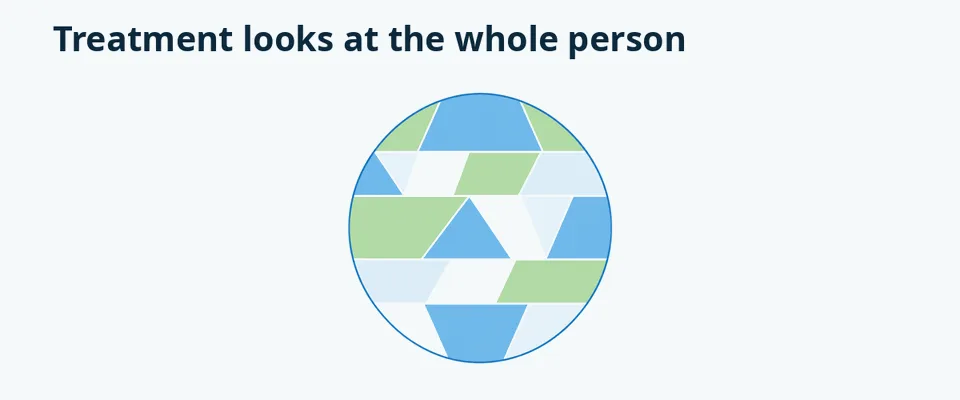
SAMHSA's working definition of recovery reflects this too. It describes recovery as a process of improving health and wellness, living a self-directed life and working toward your full potential, supported by four dimensions: health, home, purpose and community.2 None of those four is about substances alone. Each one points to a part of life that treatment can help rebuild, which is exactly what this approach aims to do.
The Parts of a Whole Person Approach
This kind of care looks different for everyone, but it usually covers several areas. The table below shows common ones and how they can be addressed.
| Area | Why It Matters | How Care Can Help |
|---|---|---|
| Substance use | The core reason many people seek treatment | Group and individual therapy, relapse prevention, medication when appropriate |
| Mental health | Depression, anxiety and trauma often drive or follow substance use | Therapy, psychiatric care and medication management |
| Physical health | Sleep, nutrition, pain and medical conditions affect cravings and mood | Medical review, medication and healthy routines |
| Relationships | Family conflict and isolation raise relapse risk | Family therapy and help building a support network |
| Daily life | Work, school, money and housing stress can push people back toward use | Practical planning and goal setting |
| Meaning and purpose | A life worth staying sober for supports long-term recovery | Exploring values, interests and community |
Treating Mental Health and Addiction Together
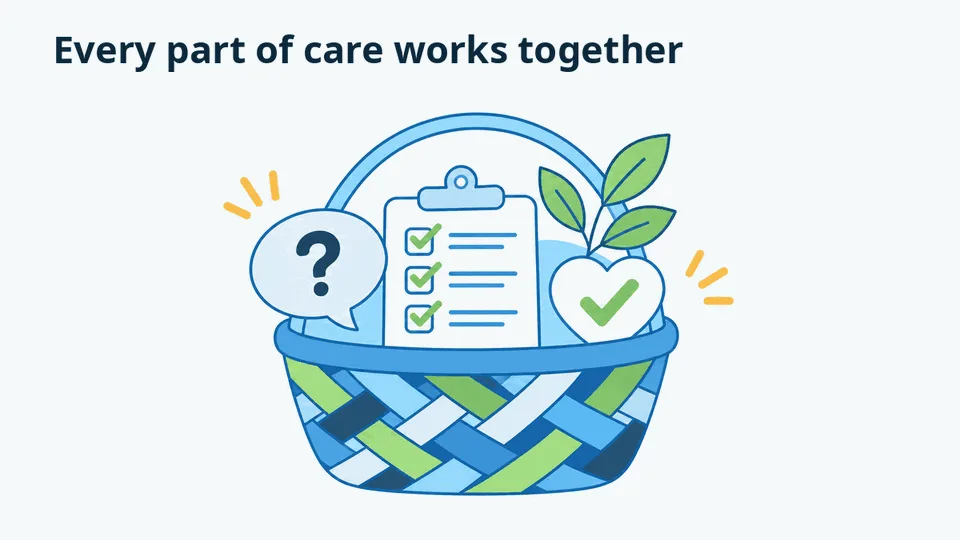
One of the most important parts of this approach is treating mental health and substance use at the same time. NIDA notes that many people with addiction also have other mental disorders and that treatment should address both, or all, of them.1 When only one is treated, the other can keep the cycle going.
Our virtual dual diagnosis treatment is built for people living with both. Our chapter on integrated treatment explains how combined care works and why it matters.
The Role of Medication
For many people, medication is part of treating the whole person. NIDA notes that methadone, buprenorphine and naltrexone are effective in helping people with opioid addiction stabilize their lives and reduce illicit drug use.1 It also lists acamprosate, disulfiram and naltrexone as approved medications for alcohol dependence.
Medication can also treat depression, anxiety and other mental health conditions that make recovery harder. It works best alongside therapy and support, not instead of them. At Promising Outlook, virtual medication management includes Suboxone and Vivitrol for those who need them, plus psychiatric medication when it helps.
Why a Whole Person Approach Works
Addiction affects nearly every part of life, so recovery has to as well. When care addresses only one piece, the others can quietly undo progress. Untreated depression drains motivation. Family conflict creates stress. Poor sleep makes cravings worse. Money problems create pressure.
Treating the whole person gives each of those areas attention. It also helps people build a life they want to protect, which is one of the strongest reasons to stay sober. And because NIDA advises reviewing and adjusting plans as needs change, care can shift as you move from early recovery into a more stable life.1
What You Can Do Day to Day
Caring for your whole self isn't only something a treatment program does for you. You can support it in your own life too:
- Keep up with regular sleep, meals and movement.
- Go to medical checkups and be honest with doctors about substance use.
- Take medications as prescribed, and tell your care team about side effects.
- Stay connected with people who support your recovery.
- Make time for things that bring meaning, like hobbies, service or faith.
- Notice early signs of stress or low mood and reach out sooner rather than later.
Our post on what self care is covers simple daily habits that support every part of recovery.
Whole Person Care at Promising Outlook
At Promising Outlook, care starts with an assessment of your whole life, not just your substance use. Your plan may include group therapy, individual therapy, family therapy and medication management, all by live video for adults across California. We're accredited by The Joint Commission.
Groups meet Monday through Friday at 9:00 a.m., 12:00 p.m. and 5:00 p.m. Treatment length varies. Clients leave with an aftercare plan and a relapse prevention plan that reflects every part of their life. Not a pamphlet. A plan.
Call us and a real person will answer, day or night. Same-day starts are often possible. You can also verify your insurance online. We're in network with Aetna, Blue Shield, Cigna, Health Net, Tricare and United.
Frequently Asked Questions
What is whole person care?
Whole person care is an approach to treatment that looks at your whole life, including mental health, physical health, relationships, work and daily habits, not just one symptom or diagnosis. In addiction treatment, it means treating substance use alongside everything that affects it.
What is a whole person approach to addiction treatment?
A whole person approach combines care for substance use with care for mental health, physical health, family relationships and practical needs. It often includes therapy, medication when appropriate, family support and planning for life after treatment.
What does it mean to recover as a whole person?
It means recovery that covers every part of life, not just stopping alcohol or drugs. It focuses on health, relationships, purpose and community together. It doesn't have to mean alternative therapies.
Why is treating the whole person important?
Substance use is often tied to depression, anxiety, trauma, health problems and life stress. If only the substance use is treated, those other problems can lead back to drinking or using. Treating the whole person addresses the roots, not just the symptoms.
Does whole person care include medication?
It can. NIDA notes that medication is an important part of treatment for many people, especially when combined with counseling. Medications can treat opioid and alcohol use disorders as well as mental health conditions like depression and anxiety.
Can whole person care be done online?
Yes. Therapy, family therapy, psychiatric care and medication management can all be delivered by live video. At Promising Outlook, every part of our care is offered virtually for adults across California, so you can get support from home without commuting or taking extra time off work.
Sources
- National Institute on Drug Abuse. Principles of Drug Addiction Treatment: A Research-Based Guide (Third Edition). 2018.
- Substance Abuse and Mental Health Services Administration. About Recovery.