A low blanket of coastal fog over forested hills near Mount Tamalpais

Prescription Drug Addiction Treatment in California

Prescription drug addiction treatment at Promising Outlook serves adults across California whose painkillers or sleeping pills have become hard to stop. Some began with a prescription, while others took pills meant for someone else. Group counseling meets several days a week, alongside one-on-one time with a counselor and a therapist, plus medicine when it fits. Our admissions line reaches a real person 24/7.

In network with Aetna, Blue Shield of California, Cigna, Health Net, Tricare and United.

Aetna
Blue Shield of California
Cigna
Health Net
UnitedHealthcare
Tricare
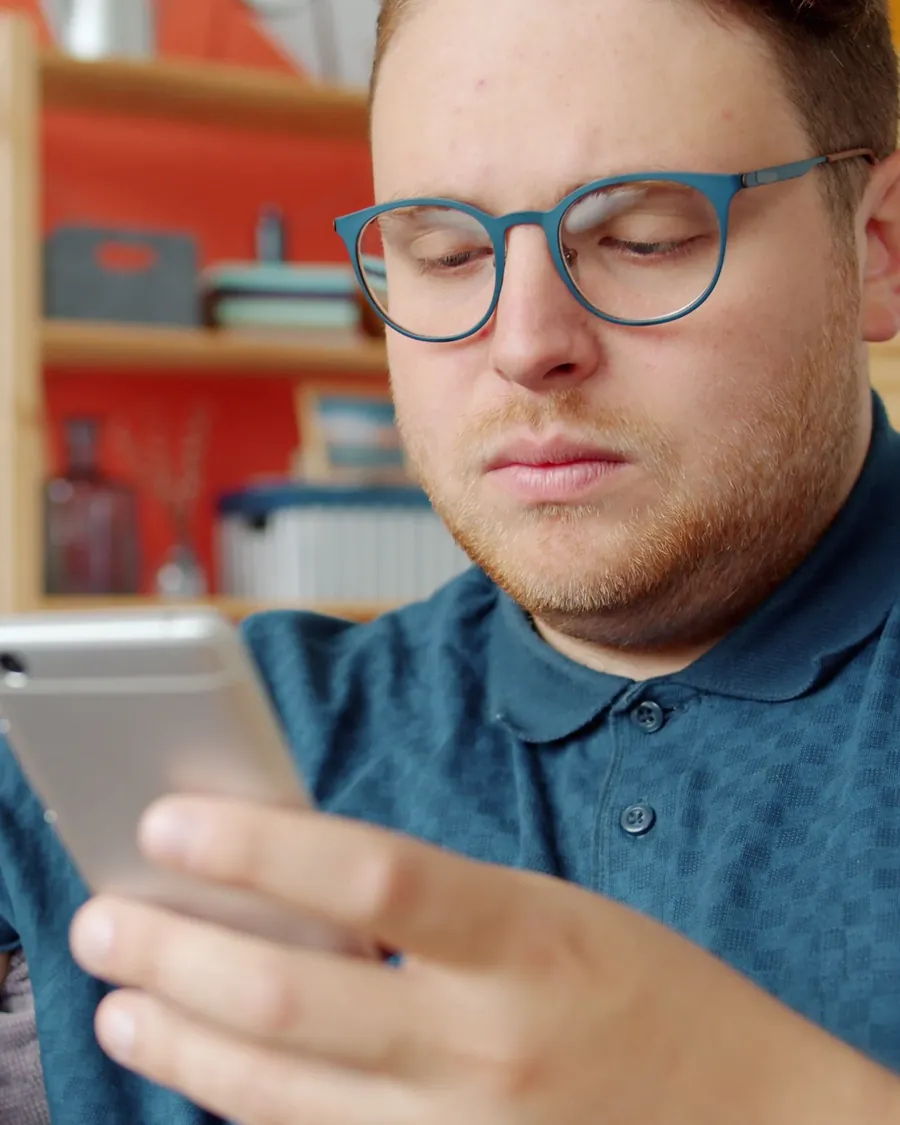
Adult man with glasses checking a smartphone indoors
Pill dependence

What Prescription Drug Misuse Means

Prescription drug misuse covers more than taking pills to get high. It means taking a medicine in a way or dose other than prescribed, including someone else's prescription[1]. Over time, misuse can turn into addiction, where the pills feel hard to give up even after they start causing harm.

Prescription opioid misuse is more common than many people expect: about 2.4% of Americans 12 and older, roughly 1 in 40, misused them in the past year[2]. If pills are one of several substances you use, our virtual addiction treatment covers them in a single plan.

Google Meet groupsFrom home, work or any private space
Three group timesMorning, midday or evening, Monday to Friday
Suboxone and VivitrolManaged by our prescriber as part of treatment
Same-day admissionWhenever you are ready to start
What People Say About Promising Outlook
Pill types

Painkillers and Sleeping Pills

Painkillers and sleep medicines work in different ways, so stopping each one brings different problems. Opioid painkillers act on pain and pleasure signals in the brain, while sleep medicines slow brain activity to bring on sleep. Fake pills add another risk, since there is no way to know what is in them.

Painkillers

Doctors give opioid painkillers for pain after an injury or surgery. Two common ones are oxycodone, sold as OxyContin or Percocet, and hydrocodone, sold as Vicodin[1]. Over time, the body can come to depend on them, even when they are taken as prescribed.

Sleeping Pills

Sleep medicines such as zolpidem, sold as Ambien, are meant to be taken for short periods. They can be habit-forming, and some people keep taking them for months[3]. Taking more than prescribed, or for longer, raises the risk of dependence.

Fake Pills

Pills bought online or from a friend may not be what they claim to be. Fake pills can contain fentanyl, which can cause a fatal overdose even in tiny amounts[4]. Keeping naloxone at home can reverse an opioid overdose if one happens.

Withdrawal

What Happens When You Stop

The risks of stopping depend on the pill. Withdrawal from opioid painkillers can begin within a few hours of the last dose[1]. Symptoms can include restlessness, muscle and bone pain, trouble sleeping, diarrhea or vomiting, along with strong cravings. It is very hard to go through, so it helps to know what to expect before you stop.

Sleep medicines can cause withdrawal too, including mood changes, shaking and, rarely, seizures[3]. Do not stop a sleep medicine you have taken for weeks without talking to a doctor. If you need medical help to stop, our admissions team can point you to a program that provides it.

Warm daylight falling across a bed and bedside lamp
Underlying causes

When Pills Started With Pain or Sleep

Many people first took pills for a real problem, such as back pain or months of poor sleep. In therapy, you work on the stress and habits that built up around that problem. Your counselor can also help you prepare to talk with your doctor about other ways to manage it.

Cognitive behavioral therapy gives you practical tools for both. For sleep, that can mean a steady bedtime routine and ways to quiet a racing mind at night. For pain, it can mean pacing your day and noticing the thoughts that make a flare feel worse, so the pills are no longer the first thing you reach for.

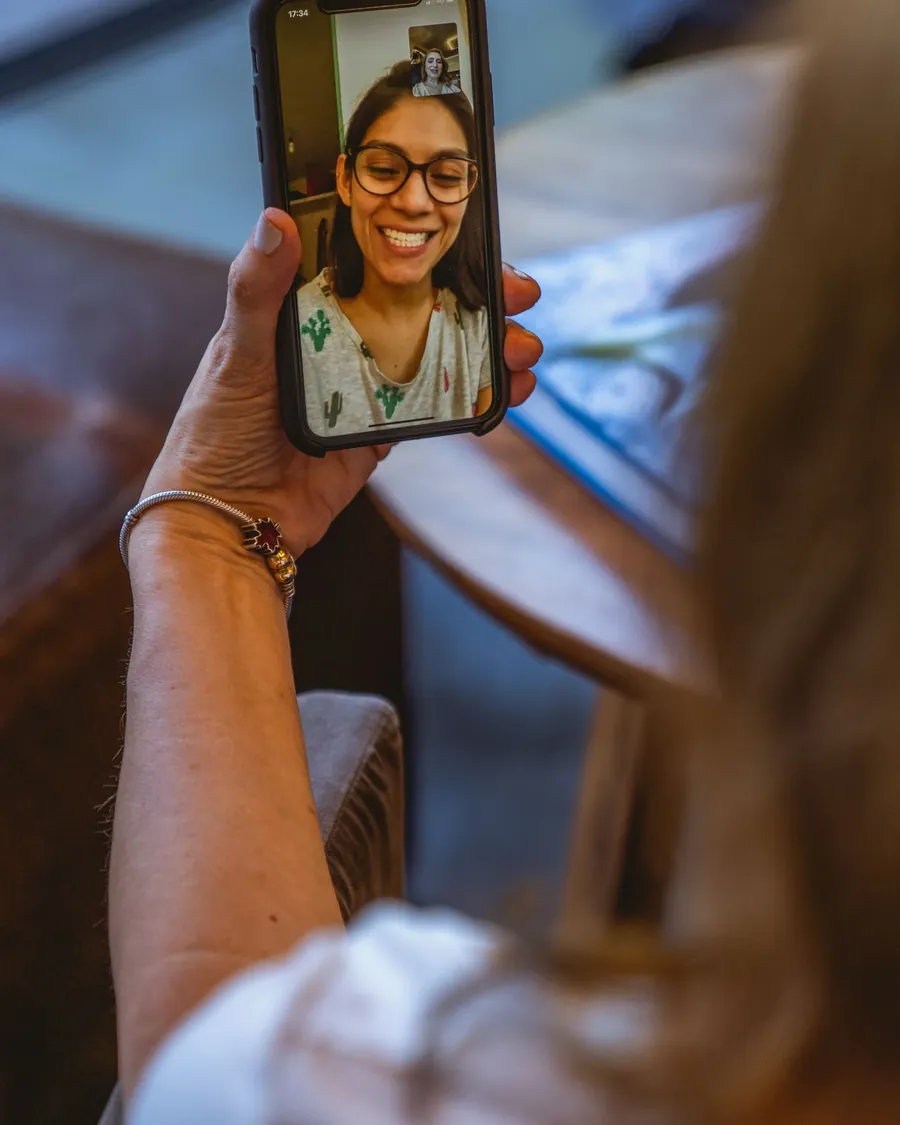
Adult woman holding a phone and greeting someone on a video call
Clinical methods

Online Prescription Drug Rehab

Care here brings together counseling, therapy and medicine when it helps, all by live video.

  • Group counselingSeveral mornings, middays or evenings a week, with time to talk through triggers and plans.
  • One-on-one counselingWeekly time with your counselor to plan around stressful days and high-risk moments.
  • Individual therapyRegular sessions with a therapist to work on the pain, sleep or stress behind the pills.
  • Cognitive behavioral therapy (CBT)Skills for handling pain, stress or poor sleep without reaching for pills.
  • Motivational interviewing (MI)Conversations that help you decide what you want to change.
  • Family therapySessions for the people at home who support you.
  • Relapse preventionA written plan for refills, pain flares and sleepless nights, finished before you leave.

For some people, the pills started as a way to calm anxiety or lift depression. When pill use and low mood both need care, dual diagnosis treatment treats both together.

Adult woman holding a phone showing another adult during a video call
Suboxone and Vivitrol

Medication for Painkiller Addiction

For addiction to opioid painkillers, such as oxycodone or hydrocodone, our prescriber offers two medicines: Suboxone and Vivitrol. Medicine is the main way to treat opioid addiction, and it often goes along with counseling[5].

Over video, our prescriber asks about your pain, your pills and your past, then decides with you if Suboxone or Vivitrol is right. For sleeping pills, there is no approved medicine, so care for them rests on counseling and therapy.

Next step

Call About Pill Addiction

Name the pills you take and when you started taking them. Our admissions team explains how treatment works and books your assessment.

Time commitment

Pill Addiction Treatment at Three Levels

Medication can continue at all three levels, each run by live video. Your use so far, including how long it has gone on, decides where you start. Your care team recommends a step down once cravings have stabilized, you are using relapse prevention skills on your own, and you can handle daily responsibilities with less support.

Group five days a week with longer days, for people who need daily structure and close clinical support without 24-hour care.

Group three days a week, for people who are safe at home but need more support than weekly therapy.

Many clients say they notice progress early on, and they often choose to stay four to five months or longer, with the same group and clinicians at every level.

Before you call

Prescription Pill FAQs

Many people who call about pills ask about withdrawal, medicine and cost first. Stopping some pills suddenly can be risky, so tell us what you take when you call.

Have a different question?

A real person answers 24/7, and the call is confidential and free.

What is prescription drug addiction treatment?

Prescription drug addiction treatment helps people who misuse painkillers, sleep pills or other medicines. With us, you go to group a few times a week, plus weekly time with a counselor and therapist. Our prescriber can add Suboxone or Vivitrol for painkillers, and every visit is by video.

Do you offer Percocet addiction treatment?

Yes, we offer Percocet addiction treatment, and the same plan is used for oxycodone or hydrocodone. All three are opioid painkillers, so care pairs counseling with medicine when it fits. Your prescriber asks which pills you take and how often before suggesting one.

Can I stop sleeping pills on my own?

Talk to a doctor before you stop a sleep medicine you have taken for weeks. Stopping suddenly can bring mood changes, shaking or trouble sleeping, and seizures are possible but rare[3]. If you need medical help to stop, we can point you to a program that provides it.

How is this different from your opioid treatment?

Care for painkillers focuses on prescriptions, refills and the pain that came first. Heroin and fentanyl are covered in our online opioid treatment, led by the same team. If you use more than one kind of opioid, a single plan covers each of them.

Can I keep working during treatment?

You can stay at your job while in treatment with us. Groups meet weekday mornings, around lunch or after work, and you take part by video from home.

Does insurance cover treatment for pills?

Health insurance plans often cover this treatment. We are in network with Aetna, Blue Shield of California, Cigna, Health Net, Tricare and United. We do not accept Medicaid or Medi-Cal plans, and every plan we work with is explained in our insurance options.

Can I call about a family member's pill use?

Calls about a parent, partner or adult child who misuses pills are welcome. On that call we explain how treatment works, what their insurance may cover and what happens at the first group. The choice to start is theirs, and the assessment happens by video. When they begin, family therapy with them is open to you.

How do I start treatment for pill use?

Start by calling our admissions team about the pills you take and when you last took them. A real person checks your coverage, then sets up a clinical assessment and an early prescriber visit if medicine may help. If it fits, you could often be in a group that same day.

Who you will meet

The Clinicians Behind Your Care

Our medical director oversees medication across all three programs, and our clinical director leads the therapists and counselors. Our counselors hold state addiction counseling credentials, and our client care coordinator keeps you connected with the team from your first day.

Michael C. Valdez, MD, Medical Director at Promising Outlook
Medical Director

Dr. Valdez is a board certified internal medicine physician who also completed fellowship training in infectious disease. He has been with Promising Outlook since its founding.

Deneen Dean Watson, LMFT, Clinical Director at Promising Outlook
Clinical Director

Dean is a licensed marriage and family therapist with a Master of Science in Counseling Psychology. He has worked in counseling and social services since 2005.

Lisa Shenk, MA, SUDCC IV, Counselor at Promising Outlook
Counselor

Lisa holds a Master of Arts in substance use and addiction counseling from South Dakota State University and has directed a recovery program.

Kimberly Diaz, Client Care Coordinator at Promising Outlook
Client Care Coordinator
Kimberly Diaz

Kimberly is the Client Care Coordinator at Promising Outlook. She helps keep clients connected with their care team from the first day on.

Sources
  1. Prescription Opioids DrugFacts. National Institute on Drug Abuse. 2021. nida.nih.gov/publications/drugfacts/prescription-opioids
  2. Highlights for the 2025 National Survey on Drug Use and Health. Substance Abuse and Mental Health Services Administration. 2026. samhsa.gov/data/sites/default/files/NSDUH-2025-Annual-Release/2025-nsduh-nnr-highlights.pdf
  3. Zolpidem. MedlinePlus Drug Information, National Library of Medicine. 2019. medlineplus.gov/druginfo/meds/a693025.html
  4. Fentanyl. National Institute on Drug Abuse. 2025. nida.nih.gov/research-topics/fentanyl
  5. How can prescription drug addiction be treated? National Institute on Drug Abuse. 2026. nida.nih.gov/publications/research-reports/misuse-prescription-drugs/how-can-prescription-drug-addiction-be-treated
Admissions 24/7

Pill Treatment Can Start Today

Give us a call and name the pills you are struggling to stop. If treatment fits, the next step is your first group and a visit with our prescriber.

In network with Aetna, Blue Shield of California, Cigna, Health Net, Tricare and United.

We do not accept Medicaid or Medi-Cal.

Check Your Coverage